When God Feels Silent: 4 Biblical Truths That Reframe Our Pain

Steve Shannon
November 24, 2025
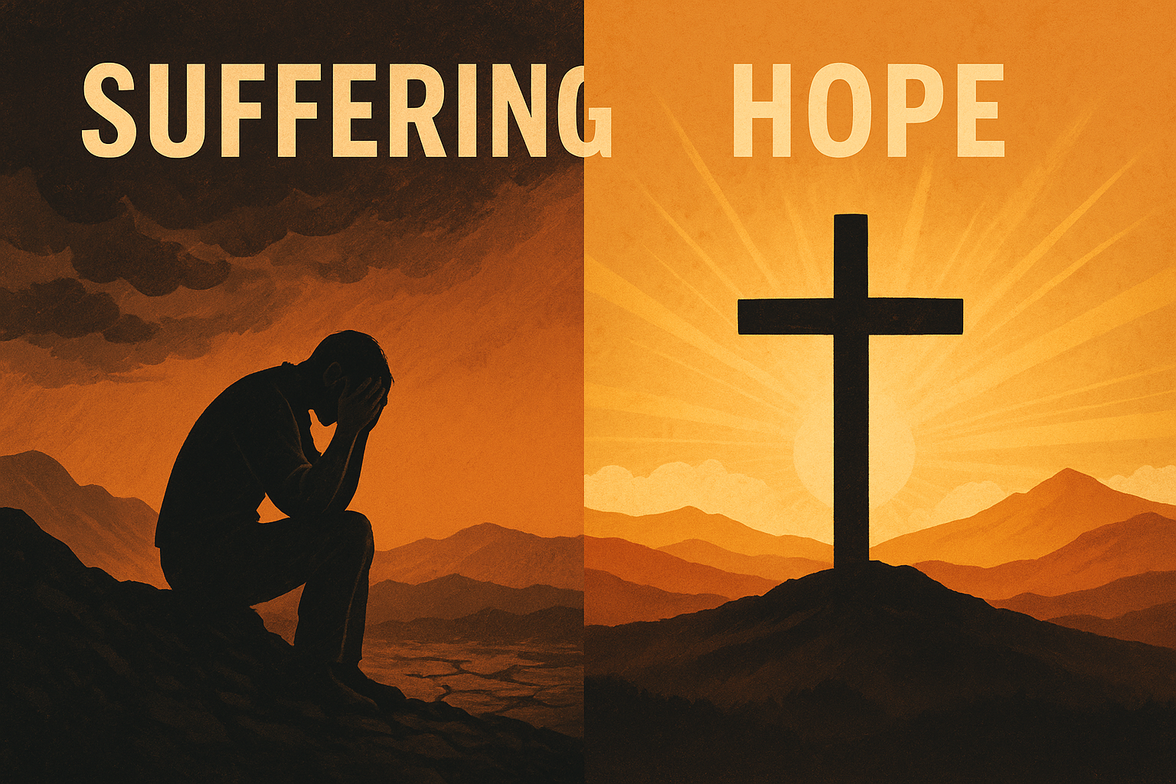
Have you ever looked at the world, or at your own life, and asked God, "Why?" Why this pain? Why this sickness, this betrayal, this injustice? It is one of the oldest and most emotional questions in human history, a raw cry that echoes from the depths of the soul when circumstances feel unbearable. We long for an answer that makes sense of the hurt.
In these moments, simple platitudes and easy answers often fall short, feeling hollow and dismissive of our pain. But the Bible does not shy away from this question. Instead, it engages with the reality of suffering with a surprising and profound depth.
This article will not offer a simple solution to the problem of pain. Instead, we will explore four counter-intuitive truths from Scripture that can reframe our understanding of suffering. These truths don't erase the hurt, but they offer a resilient hope by shifting our focus from the "why" of our pain to the "Who" who walks with us through it.
1. Suffering Isn't a Sign of God's Absence—It's Where His Presence Becomes Most Real
When life hurts, it’s easy to believe the enemy’s whisper: “God doesn’t care. You’re alone.” The pain can feel like definitive proof that God is distant or has forgotten us. We search for Him in the darkness and can feel an unnerving silence.
The Bible, however, directly counters this feeling with a revolutionary truth: God is uniquely close to those who are in pain. He does not run from our brokenness; He draws near to it. Two foundational promises anchor this truth. The first speaks to His proximity in our pain:
"The LORD is close to the brokenhearted and saves those who are crushed in spirit." (Psalm 34:18)
The second speaks to the unshakeable nature of His love, no matter what we face: "For I am convinced that neither death nor life... nor anything else in all creation, will be able to separate us from the love of God that is in Christ Jesus our Lord" (Romans 8:38–39). Together, they declare that suffering is not evidence of God’s absence, but an invitation to experience His presence more deeply. Instead of a sign that He has abandoned us, our deepest pain can become the very place where His presence becomes most real.
2. Pain Isn't Pointless—God Uses It for a Purpose We Cannot See
Before we can understand the purpose of pain, we must first understand its origin. Scripture teaches that suffering was not part of God's original, good design. It is an intruder, a tragic consequence of sin breaking creation (Genesis 3). We live in a fallen world, which is why we experience sickness, death, and injustice. But while God is not the author of evil, He is sovereign and powerful enough to weave even our most painful experiences into a larger story for good.
The life of Joseph illustrates this principle perfectly. Betrayed by his brothers and sold into slavery, he endured years of injustice. Yet, at the end of his story, he could look back and see a divine purpose at work. He told his brothers:
"You meant it for evil, but God meant it for good." (Genesis 50:20)
This doesn't erase the evil they committed, but it declares that God’s purpose is greater. Scripture affirms this idea in challenging ways, teaching not only that trials can produce character (Romans 5:3-5), but that we should consider them a source of joy because they lead to spiritual maturity (James 1:2-4). The challenge for us is to trust God’s story when we can only see our own painful chapter.
3. God Doesn't Just Sympathize with Our Pain—He Intimately Understands It
Christianity makes a claim that is unique among all world faiths: God Himself entered into human suffering. In the person of Jesus Christ, God did not remain a distant, detached observer of our pain. He lived it.
Jesus experienced the full spectrum of human suffering. He knew:
• Injustice at the hands of leaders
• Betrayal by his closest friends
• Excruciating physical agony
• Emotional abandonment
Because of this, His relationship with our pain is not one of mere sympathy ("I feel for you") but of profound empathy ("I feel with you"). The book of Hebrews tells us we have a High Priest who can "empathize with our weaknesses" (Hebrews 4:15) because He was tempted in every way, yet without sin. This is a staggering truth. The God we cry out to does not just hear our pain from a distance; He knows its weight firsthand. The Cross is not merely an act of solidarity; it is God's ultimate answer, proving He entered our suffering not just to share it, but to defeat it.
4. The Goal Isn't an Explanation—It's His Presence
When we are hurting, our natural human desire is for an explanation. We want to know why this is happening, believing that an answer will alleviate the pain. But the Bible gently guides us toward a different, more profound goal. It teaches us to look for God's presence, not for explanations.
This shift in focus is modeled throughout the Psalms. The psalmists teach us to cry out to God honestly, pouring out their raw emotions without filter or pretense. They bring their anger, fear, and confusion directly to Him. Yet, the goal of their cry is not to receive a neat, tidy answer, but to connect with God in the midst of their chaos. They sought the comforter more than the explanation.
There is incredible freedom in embracing this truth: "Understanding is optional. God’s presence is essential." We may never have all our "why" questions answered on this side of eternity. But we can have something far better: the unwavering presence of the God who is with us, who understands us, and who holds our story in His hands.
Conclusion: The Hope That Outlasts All Pain
The biblical response to suffering is not a formula or a simple answer. It is a person. It is the profound truth of God’s unwavering presence in our pain, His redemptive purpose at work within it, and His deep empathy born from experience. These truths provide an anchor for the soul in the fiercest storms.
And ultimately, our story does not end in pain. Faith points us to a future hope that outlasts all suffering. While we are in it, Scripture gives us a lens through which to view it: "The sufferings of this present time are not worth comparing with the glory that will be revealed" (Romans 8:18). This promise provides a bridge between our present reality and our future hope. And that hope is certain, for God gives the final word on pain, promising a day when He Himself will make all things new: "He will wipe every tear from their eyes. There will be no more death or mourning or crying or pain" (Revelation 21:4).
How might our journey through suffering change if we focused less on asking "Why?" and more on seeking the "Who" who walks beside us in the pain?